Key Methods for Evaluating Roofing Problems
When it comes to maintaining the health of your roof, construction companies play a crucial role in assessing damage accurately. This process ensures that any issues are identified early, preventing further deterioration and costly repairs. From understanding common problems to implementing effective solutions, this guide will explore how professionals evaluate roofing conditions with precision. By learning about these methods, you can better appreciate the value of a comprehensive assessment.
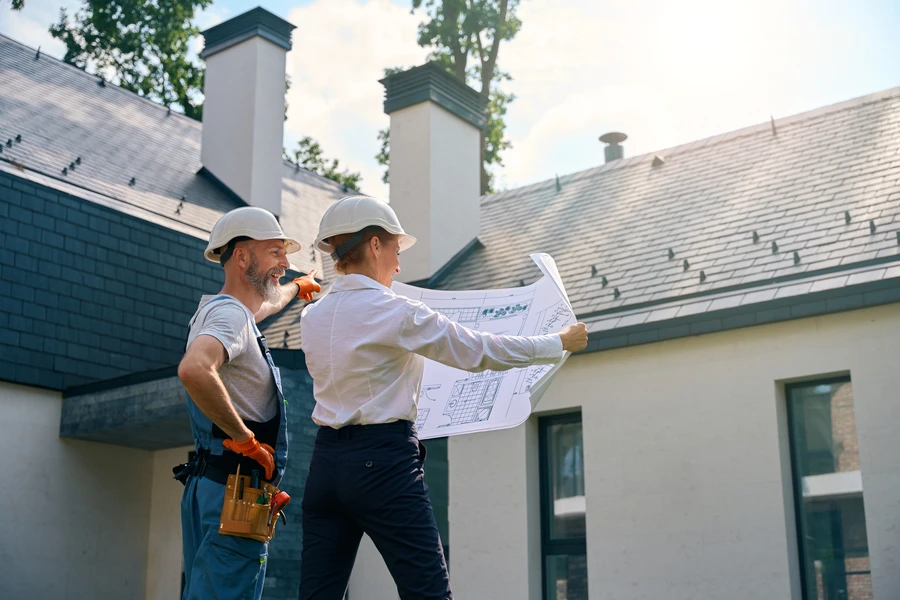
The Importance of Professional Evaluation
Professional evaluation of a roof’s condition is essential for several reasons. It not only determines the extent of existing damage but also predicts potential future issues. By engaging construction experts, you can access their wealth of knowledge and experience in identifying signs of wear and tear. Moreover, professional evaluation helps in creating a detailed report that outlines necessary repairs and maintenance strategies.
Essential Steps in the Process
Construction companies follow a systematic approach to assess roof damage accurately. One of the critical steps is conducting a thorough roof inspection. During this phase, specialists check for visible damage such as cracks, leaks, or missing shingles. They also examine structural components like beams and rafters to ensure they are intact and functioning properly.

Advanced Technologies Used
Technology plays a significant role in modern roof assessments. Drones equipped with high-resolution cameras offer aerial views that help identify areas needing attention. Additionally, thermal imaging technology detects moisture accumulation that might not be visible to the naked eye. These advancements make the assessment more precise and reliable.
Common Challenges Faced
Several challenges can arise during roof inspections. Harsh weather conditions sometimes obscure minor damages that could lead to bigger problems later on. Accessibility issues may limit the ability to inspect certain areas closely. Therefore, it’s important to address these challenges by using specialized equipment and adopting flexible strategies tailored to specific situations.
Benefits of Early Detection
Identifying damage early offers numerous advantages. Firstly, it reduces the risk of severe structural issues developing over time. Secondly, it lowers repair costs since addressing minor problems is often less expensive than fixing major ones. Finally, early detection enhances safety by ensuring the roof remains in good condition for occupants.
- Reduces long-term repair costs
- Prevents extensive structural damage
- Ensures occupant safety
- Increases property value
Best Practices for Ongoing Maintenance
Regular maintenance is key to extending your roof’s lifespan. Start by scheduling bi-annual inspections to catch any changes in condition promptly. Clear gutters regularly to prevent water buildup, which can cause leaks and other issues. Furthermore, trim overhanging branches to avoid unnecessary wear from falling debris.
- Schedule bi-annual inspections
- Clear gutters regularly
- Trim overhanging branches
- Check attic ventilation
Cost Considerations and Value
The cost of professional roof assessments varies based on factors such as roof size and complexity of required inspections. While upfront expenses might seem high, investing in quality evaluations ultimately saves money by avoiding extensive repairs down the line. This proactive approach proves valuable both financially and in terms of peace of mind.
Your Path to Secure Roofing Solutions
For homeowners looking to ensure their roofs’ longevity, working with experienced construction companies is essential. Understanding the benefits of professional assessments and addressing potential challenges strengthens your property’s resilience against environmental factors. Call (915) 408-1189 today for expert guidance on safeguarding your home. Based in Socorro, TX, our team at MZ Roofing And Construction delivers top-notch roofing solutions designed to meet your needs effectively.